News
All Eight Ivy League Schools State Bare Minimum Applicant Now Must Have a 1600 SAT, 4.0 GPA, and 40 APs by Eighth Grade
Admissions officers warn that students who haven’t founded a multimillion-dollar company or cured cancer by eighth grade are already falling behind.
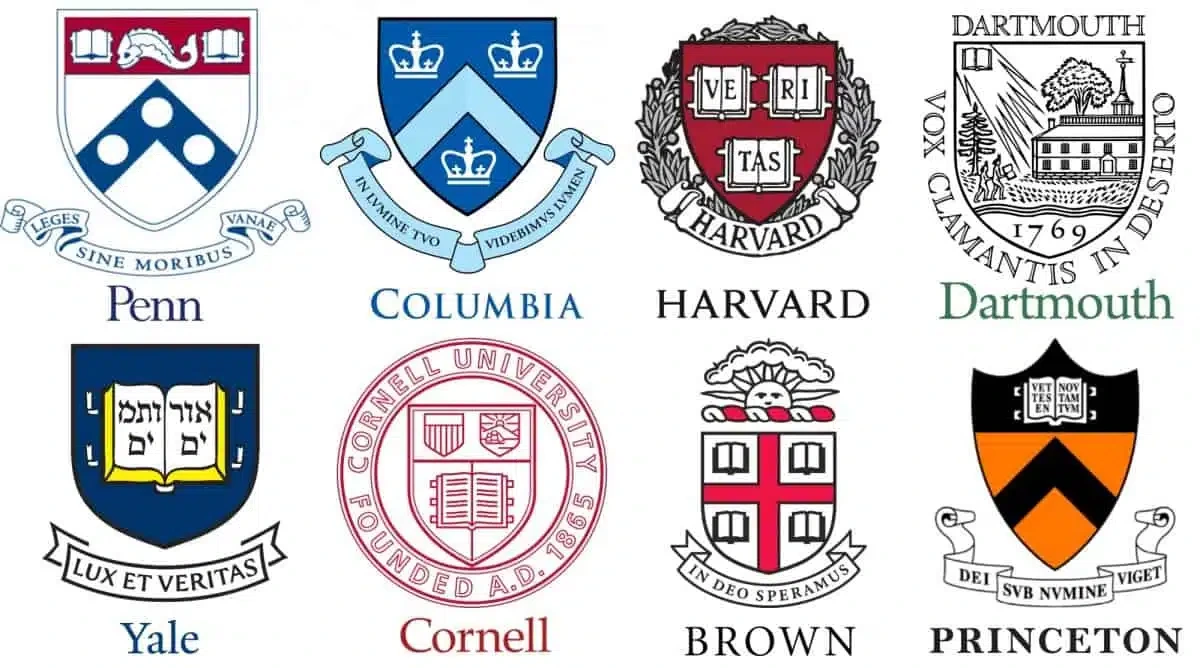

All eight Ivy League councils announced collectively that the absolute bare minimum for a competitive high schooler application is now a 1600 SAT, a 4.0, and 40 perfect fives on an AP exam by the end of eighth grade, along with a company valued at no less than three million dollars unless your parents have either donated a building, or being a low income student from the middle of nowhere, or by having legacy.
"These are not targets. These are floors," said Margaret Thatcher, the overseer at Harvard’s council, "If you're a ninth grader reading this and you haven’t already done this, you're severely behind, and I want to be completely honest about that."
Although CollegeBoard only offers 38 AP’s, students must create their own AP curriculum, submit it to CollegeBoard for it to get approved, and submit it in their application. Margaret states, “Honestly, if you aren’t doing this, what are you doing?”
The announcement also says internships to top private equity companies, or FAANG companies are mandatory. Unpaid research positions will no longer be considered, as the committee found them “unfit for our standards”. By this time, students are also expected to have built at least 7 non-profit organizations to leading organizations. Eighth grader Jonathan Adams said he had finished thirty-one AP exams and expected to complete the rest by March, but had not yet started a company.
"I was going to do it over the summer," he said.
Famous influencer, Gohar Khan, commented “only thirty-one? If you want to get into MIT like me bud, you gotta do at least 48, and honestly, procrastinating your company is the worst thing to do, start it now, and just keep scaling, it’s not that hard buddy.”
Margaret said "This cycle we rejected a kid who published three books, sold a logistics startup for 30 million to Google and started a cancer research platform that eventually found the cure to cancer," she said. "He was a wonderful kid, aced all his interviews. He just didn't distinguish himself amongst his peers, wasn’t a low-income student, wasn't a recruited lacrosse athlete nor a person whose parents donated a building."
Margaret from Harvard declined to reveal whether the requirements would be revisited and more lenient, though Margaret noted the committee is reviewing whether a 1600 "still carries the status and respect it used to."

Keep reading
THE GREEN ONION


Reader Discussion
Loading comments…